
Get Healthy!
- Posted February 18, 2026
Bananas From a Decade-Old Mining Spill Area in Brazil May Be Unsafe, Research Says
More than a decade after a major mining disaster in Brazil, scientists are still uncovering its health effects, including potential risks from food grown in nearby soil.
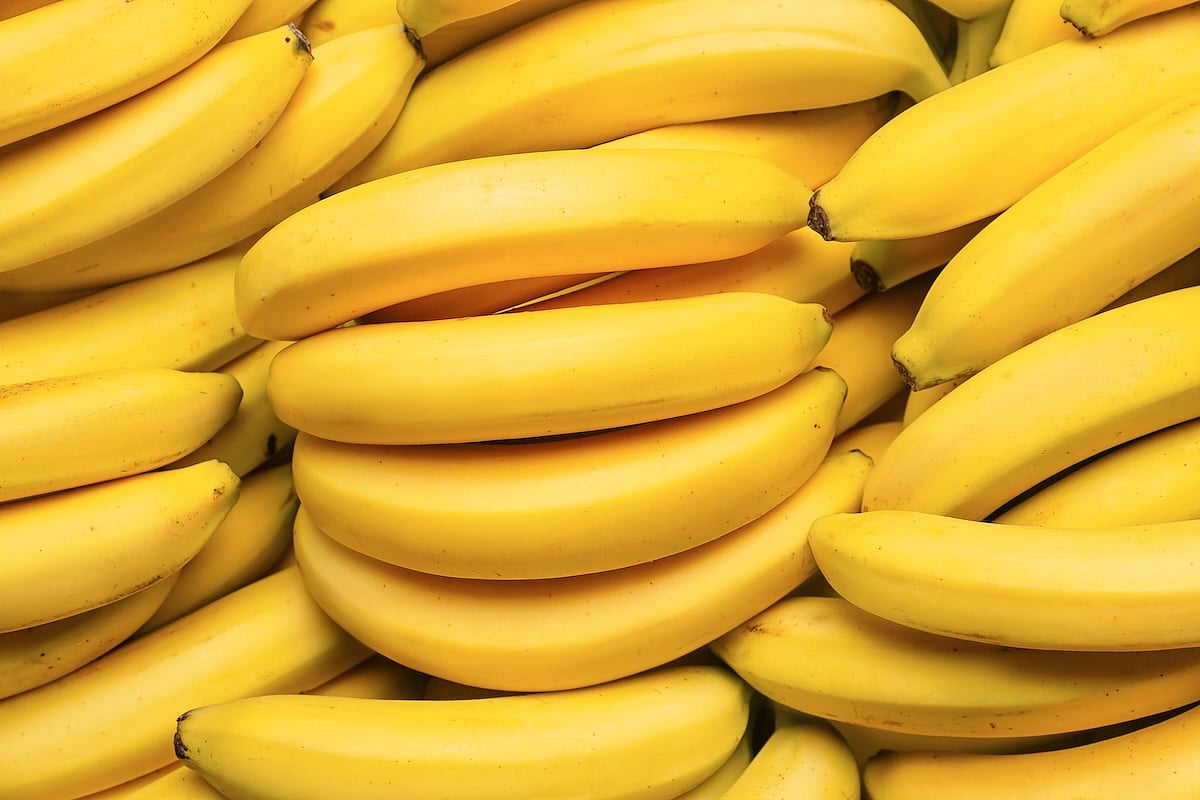
A new study suggests that bananas grown near the Doce River estuary may pose health risks for children under 6, due to lingering contamination from iron mining waste released after a dam collapse in 2015.
Researchers from universities in Brazil and Spain tested bananas, cassava and cocoa pulp grown in soil affected by the collapse of the Fundão tailings dam in Minas Gerais.
The disaster caused massive amounts of mining waste to contaminate soil and water in surrounding regions.
The study -- published recently in the journal Environmental Geochemistry and Health -- focused on metals often found in mining waste, including lead, cadmium, copper, chromium and nickel.
"Our group has been studying the impacts of the dam collapse for years," said Tiago Osório, an agronomist and professor in the Department of Soil Science at the University of São Paulo in Brazil.
"We obtained the first samples seven days after the accident and immediately understood that there was an imminent risk of contamination of plants, soil, water and fish," Osório added in a news release. "But the question remained: Does this contamination pose a risk to human health?"
The team discovered that bananas absorbed higher levels of certain metals, especially lead and cadmium, compared to other crops.
When researchers calculated potential health risks, they found that banana consumption could exceed safe limits for kiddos, based on how much fruit children typically eat and their smaller body size.
For most adults, the risk was low.
In cassava, most metals stayed in the roots, while cocoa plants had higher metal levels in stems, leaves and pulp, researchers explained. In cocoa pulp, copper and lead exceeded limits set by the Food and Agriculture Organization of the United Nations (FAO).
"These elements exist naturally in the environment," said co-author Tamires Cherubin, a health sciences researcher. "We're exposed to them in lower concentrations. But in the case of a disaster like the one in Mariana, when exposure is expected to increase, we need to exercise extra caution."
The study found that the total risk index for bananas was above 1 for kids, a level that indicates potential concern. Lead was the main contributor.
Long-term exposure to lead, even in small amounts, can harm children’s brain development, researchers noted, potentially affecting learning, attention and behavior.
"Over time, considering the life expectancy in Brazil of around 75 years, there may be a carcinogenic risk since there's a possibility of direct and indirect DNA damage," Cherubin said, pointing to possible effects on the nervous system, digestive tract and blood cells.
The researchers said that "the iron oxide content in the soil, which is the main constituent of the tailings, correlates with its content in the plant. We studied the passage of constituents from the tailings in the soil to the water, and then from the water to the plant, including its leaves and fruits."
Lead author Amanda Duim, who led the study as part of her doctoral work at the University of São Paulo, said understanding this pathway is key to protecting environments.
"We evaluated cultivated and native species. In the case of the latter, we wanted to know how they affect the dissolution of iron oxide and, in this process, understand if and how the PTEs associated with this waste enter the plant, since different species accumulate PTEs differently," she explained.
"The idea was to find the best native species for cleaning up contaminated environments, and we found more than one species that can fulfill this function, with results already published," Duim added in a news release. "In the case of cultivated species, we wanted to know if PTEs would be transferred to the fruits and edible parts of the plants."
The researchers stressed that food safety depends on where crops are grown, especially in areas affected by industrial disasters.
They also noted that children are more vulnerable due to their developing bodies and higher food intake relative to size.
More information
The Environmental Defense Fund has more on the risks of heavy metals in food.
SOURCE: Fundação de Amparo à Pesquisa do Estado de São Paulo, news release, Feb. 17, 2026


